sales@lokvalve.com
Detailed Explanation of Butterfly Valve Working Principles
 secureluokai
 七月 13, 2026
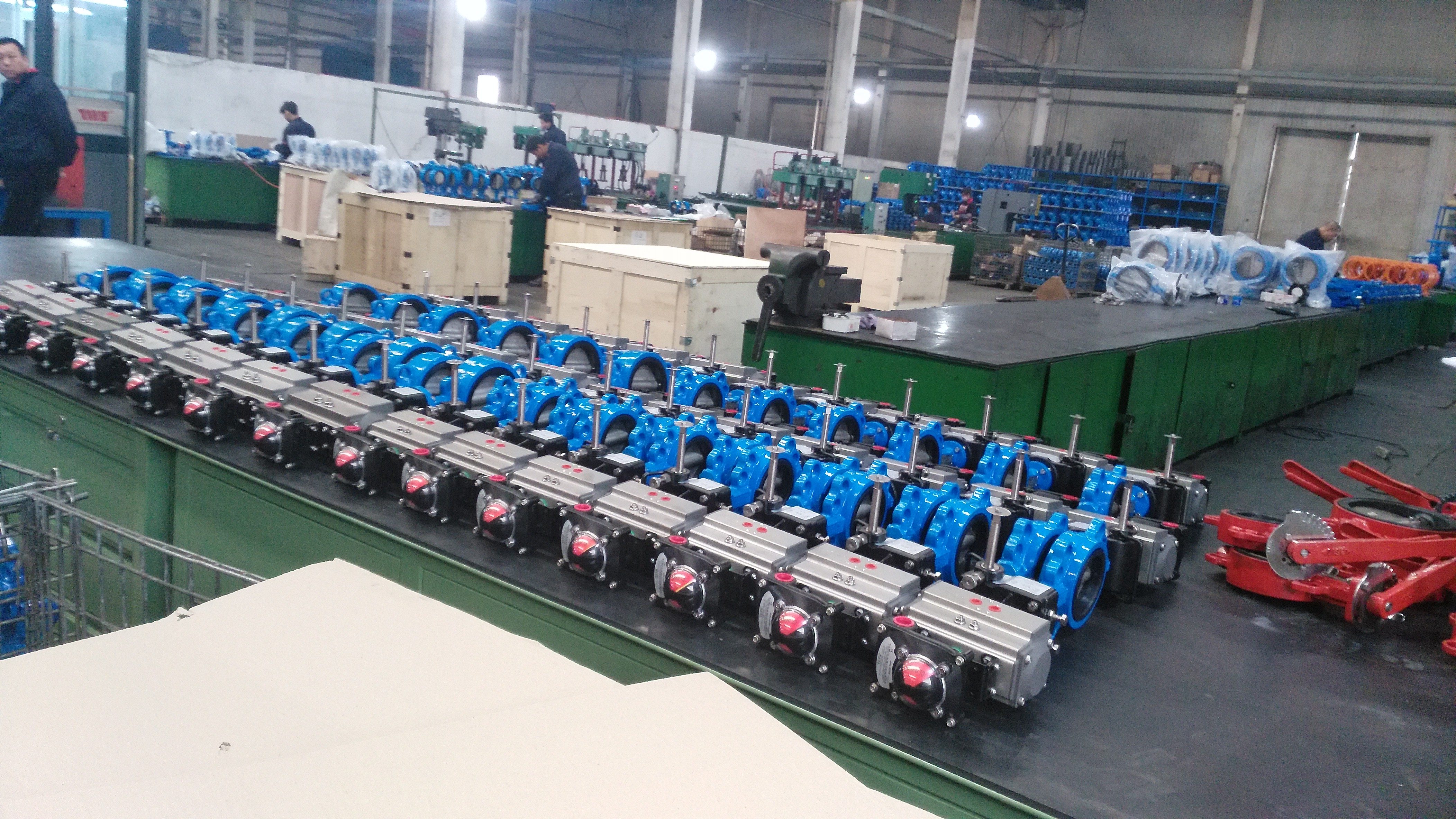
Butterfly valves are among the most widely used shut-off and flow-regulating devices in industrial piping systems. Their popularity comes from a simple structure, compact size, light weight, and cost-effective performance in applications ranging from water treatment and HVAC to chemical processing, food production, and power generation. Compared with many other valve types, a butterfly valve can provide quick operation and requires relatively little installation space, which makes it especially suitable for large-diameter pipelines. To understand why it is so common in modern industry, it is important to look at both its working principle and the practical advantages that make it a preferred choice for many engineers and plant operators.
The basic working principle of a butterfly valve is straightforward. The valve uses a circular disc mounted on a rotating shaft positioned at the center of the pipe. When the actuator or handle turns the shaft, the disc rotates as well. If the disc is aligned parallel to the direction of flow, the valve is open and fluid can pass through. If the disc is rotated perpendicular to the flow, the passage is blocked and the valve is closed. A partial rotation allows the valve to regulate flow rate, although butterfly valves are generally better suited for on-off service or rough throttling rather than highly precise flow control. Most butterfly valves operate with a quarter-turn movement, meaning the disc moves from fully open to fully closed with a 90-degree rotation. This design enables fast operation and makes automation easier when combined with electric, pneumatic, or hydraulic actuators.
In terms of construction, butterfly valves usually consist of a body, disc, stem, and seat. The body is installed between pipe flanges or connected through lug or wafer designs, depending on system requirements. The disc is the main flow-control element, while the seat provides sealing between the disc and the valve body. Seat materials may include EPDM, PTFE, NBR, or metal, selected according to temperature, pressure, and media compatibility. Butterfly valves are commonly classified into concentric, double-offset, and triple-offset designs. Concentric valves are often used in low- to medium-pressure services with resilient seats. Double-offset and triple-offset butterfly valves are designed for higher pressures, higher temperatures, and more demanding sealing performance. These advanced designs reduce wear between the disc and seat during operation, improving service life and allowing tighter shutoff in critical industrial environments.
The widespread use of butterfly valves in industrial pipelines is closely related to their practical advantages. First, they are compact and lightweight, which reduces transportation, installation, and support costs, especially in large pipe sizes. Second, their quarter-turn action allows quick opening and closing, which is valuable in emergency isolation and automated process systems. Third, maintenance is often simpler than with bulkier valve types, and replacement parts such as seats and seals are generally easier to obtain. However, butterfly valves also have limitations. Because the disc remains in the flow path even when fully open, there is always some pressure drop. In addition, they may not be the best option for applications requiring extremely precise throttling or handling certain abrasive media without special material selection. For this reason, proper valve sizing, seat material choice, and actuator matching are essential during engineering design.
Overall, butterfly valves represent a highly efficient and versatile solution for industrial piping systems. Their simple operating principle, fast actuation, and economical design make them a standard valve choice across many sectors. Whether used to isolate water in a municipal network, control airflow in ventilation systems, or manage process fluids in a manufacturing plant, the butterfly valve offers a strong balance of performance and practicality. When selected according to pressure class, temperature range, and fluid characteristics, it can deliver reliable long-term service while helping operators maintain safe and efficient pipeline operation.
If you have any questions or inquiries, please feel free to contact us with sales@lokvalve.com or WhatsApp: +8618616568786