sales@lokvalve.com
What are the classifications of ball valves
 secureluokai
 September 27, 2026
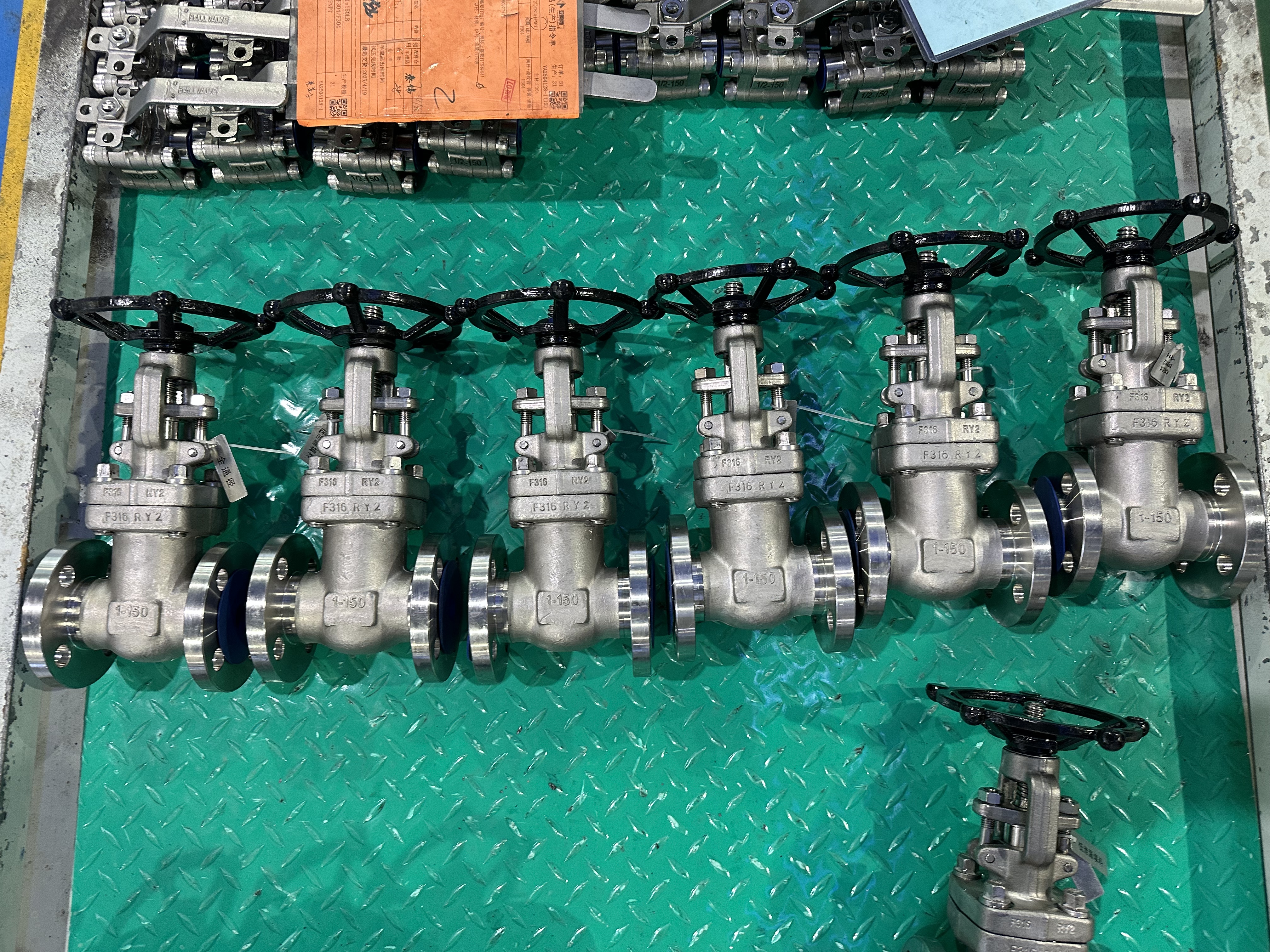
Ball valves are widely used to control the flow of liquids and gases in industrial plants, building services, and utility systems. They operate through a spherical closure element with an opening through its center: rotating the ball approximately 90 degrees opens or closes the flow path. Their compact design, rapid operation, and reliable shutoff make them suitable for applications ranging from domestic water supply to oil and gas processing. However, ball valves do not all share the same construction or performance characteristics. They can be classified by ball support, body construction, bore size, flow configuration, sealing materials, and operating method. These categories overlap, so a single valve may be described as a trunnion mounted, full bore, metal seated valve with a pneumatic actuator. Understanding each classification helps buyers and engineers compare products and select a valve for the actual operating conditions.
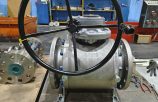
One fundamental classification is the way the ball is supported: floating ball valves and trunnion mounted ball valves. In a floating ball valve, the ball is held between two seats and can move slightly under fluid pressure. When the valve closes, the pressure pushes the ball toward the downstream seat, helping create a seal. This design is common in smaller sizes and many general service applications because it has relatively simple construction. As valve size and pressure increase, however, the force on the seats and the torque required for operation can become substantial. A trunnion mounted ball valve uses mechanical supports to hold the ball in position, while the seats typically move toward the ball under spring force and fluid pressure. This arrangement is widely used for larger pipelines and demanding pressure conditions. Neither design is universally superior; the choice depends on pressure, size, operating torque, seat design, and maintenance requirements. Specialized designs also exist, including top entry valves with mechanisms that lift the ball away from the seats before rotation to reduce rubbing during operation.
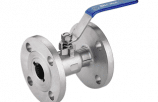
Body construction provides another useful way to classify ball valves. One piece ball valves have a main body made as a single piece and commonly feature a reduced bore. They are often economical, although access to internal components may be limited. Two piece ball valves use two connected body sections and are widely available for general industrial service. Whether they can be repaired conveniently depends on their connections and installation layout. Three piece ball valves have a central body section positioned between two end sections. In many designs, the center section can be removed or swung out for servicing while the ends remain connected to the piping, making seat replacement and cleaning easier. Larger industrial valves are also described as side entry, top entry, or fully welded. Side entry valves are assembled through body joints, while top entry valves provide access through a removable upper cover. Fully welded bodies eliminate bolted body joints and are often chosen for pipeline applications where minimizing potential external leakage paths is important. These descriptions are not always mutually exclusive: they describe different aspects of construction and access.
Ball valves are also classified by bore size and the arrangement of their flow passages. Full bore, or full port, valves have an opening approximately equal to the internal diameter of the connected pipe, subject to the applicable design standard. They generally create less flow restriction than reduced bore valves and may support pipeline pigging when the complete valve geometry is suitable. Reduced bore valves have a smaller internal passage, which can reduce valve size, weight, and cost but introduces additional pressure loss. V-port valves use a shaped opening, often combined with a matching seat arrangement, to provide more controlled changes in flow as the valve rotates. They are suitable for certain regulating duties when properly sized and selected; conventional shutoff ball valves should not automatically be treated as precision control valves. Flow configuration creates a separate classification. Two-way valves control one flow path, while three-way and other multiport valves redirect or combine flows. Three-way valves commonly use L-shaped or T-shaped passages. The available switching positions depend on the passage geometry and permitted rotation, so the manufacturer’s flow diagram should be checked before specifying a valve for mixing, diversion, or isolation.
Sealing materials, body materials, and actuation complete the main classifications. Soft seated ball valves use materials such as PTFE, reinforced PTFE, or other engineered polymers to provide tight shutoff within defined temperature, pressure, and chemical compatibility limits. Metal seated valves use metallic sealing surfaces, often with hard coatings, for applications involving higher temperatures, erosion, or abrasive media. Their suitability and allowable leakage depend on the specific design and testing requirements; a metal seat alone does not guarantee better performance in every service. Body materials include brass, carbon steel, stainless steel, and plastics such as PVC and polypropylene. Selection must account for corrosion, mechanical strength, temperature, and the characteristics of the fluid. For operation, manual valves use a lever or gearbox, while automated valves commonly use pneumatic, electric, or hydraulic actuators. Pneumatic actuators may be spring return or double acting, and the required position after loss of power or air must be specified. When comparing ball valve types, start with the fluid, operating pressure and temperature, required flow capacity, shutoff performance, and frequency of operation. Then evaluate maintenance access, piping connections, and applicable standards. This approach turns broad product classifications into practical selection criteria and helps avoid choosing a valve based on a single feature.
If you have any questions or inquiries, please feel free to contact us with sales@lokvalve.com or WhatsApp: +8618616568786