sales@lokvalve.com

What is the working principle of a check valve
 secureluokai
 October 21, 2026
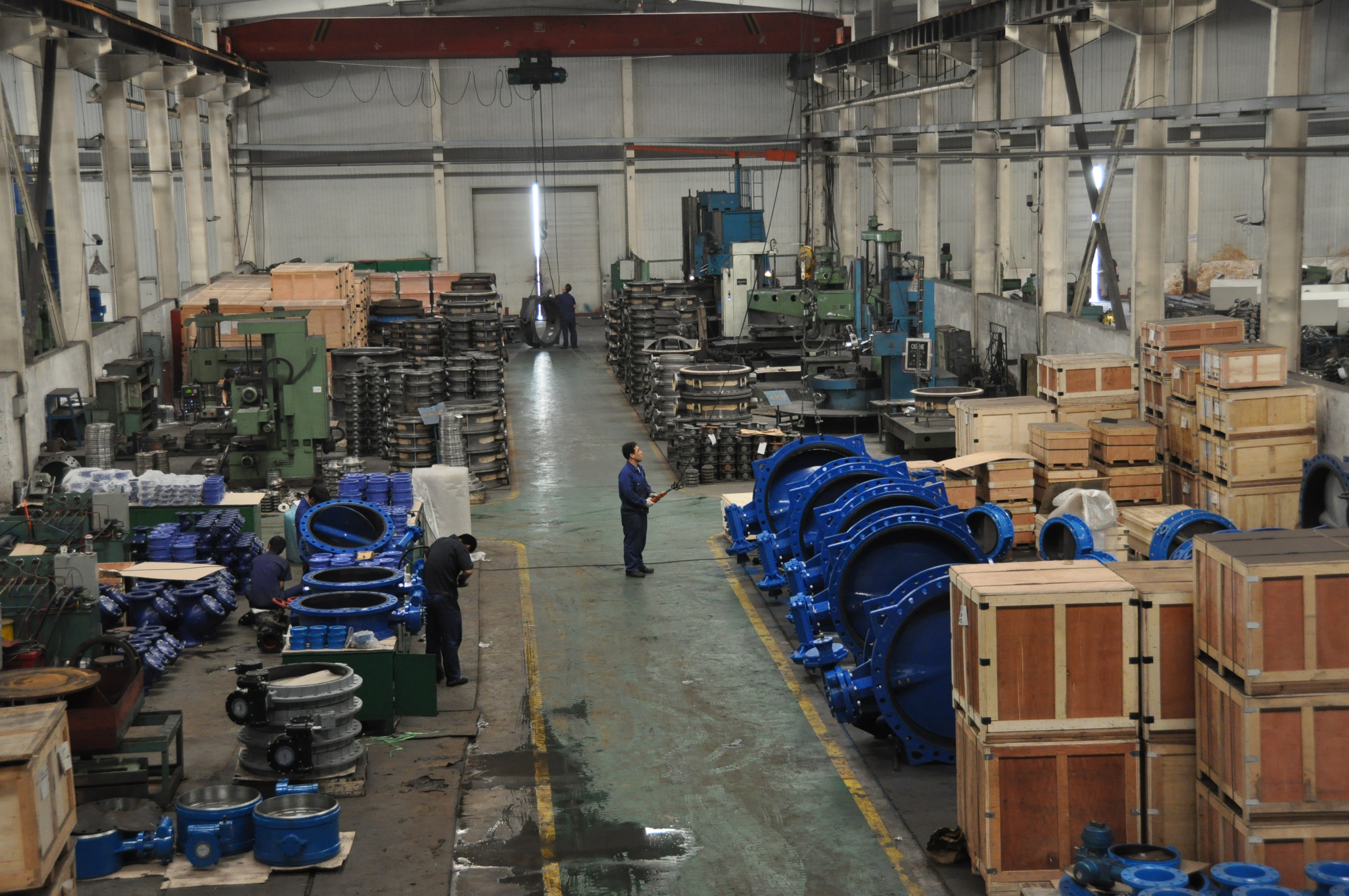
A check valve, also called a non-return valve or one-way valve, allows fluid to move through a pipeline in one direction while restricting movement in the opposite direction. Its purpose is straightforward: keep the flow moving along the intended path when operating conditions change. One important application is a pumping system, where fluid could otherwise travel backward through an idle pump. In installations with several pumps operating in parallel, check valves help prevent the running pumps from forcing fluid backward through a pump that has stopped. This protects the intended flow arrangement and helps avoid reverse rotation of equipment. Understanding how a check valve works begins with a simple idea: the valve responds automatically to fluid forces rather than requiring an operator to open and close it.
The basic working principle is a balance between opening and closing forces. Inside the valve, a movable component rests against a sealing surface known as the seat. When upstream pressure produces enough force to overcome downstream pressure and any spring force or weight holding that component closed, it moves away from the seat and allows flow. As the forward pressure difference decreases, the closing forces return the component toward its seat. Reverse pressure generally helps hold it closed. Two terms are particularly useful when describing this cycle: cracking pressure and reseal pressure. Cracking pressure identifies the opening threshold at which flow first begins; it does not mean the valve is fully open or delivering its rated capacity. Reseal pressure describes the pressure condition at which the valve stops passing flow again under specified test conditions. These values are not necessarily identical, so checking only the opening pressure does not fully describe a valve’s performance. Manufacturers may specify different resealing conditions for different spring settings and valve designs.
Different check valve designs achieve this one-way action through different internal movements. A swing check valve uses a hinged disc that swings away from the seat during forward flow and returns when the opening force falls. A lift check valve uses a guided plug or disc that rises from the seat rather than rotating. Spring-loaded disc designs use a spring to push the closing element back toward its seat as the pressure difference decreases. A dual-plate check valve divides the closing element into two hinged plates, with springs assisting their return. Despite these mechanical differences, the underlying principle remains the same: forward fluid force opens the passage, while closing forces restore the barrier. Installation orientation also matters. A gravity-dependent design must be positioned so that gravity supports its intended operation; it should not be assumed that every check valve works equally well in horizontal, upward-flow, and downward-flow pipework.
Closing behavior is especially important when a pump stops or the flow changes suddenly. A check valve does not necessarily make the transition from open to closed without affecting the surrounding system. If reverse flow develops before the valve finishes closing, stopping that moving fluid can create a pressure surge, commonly called water hammer. KSB’s guidance on surge control explains that swing check valve dynamics can strongly influence these pressure changes. The practical lesson is that preventing sustained backflow and controlling transient pressure are related but distinct requirements. A valve must not only close; its response must also suit the rate at which flow slows and reverses. Spring-assisted designs can begin closing as forward flow ceases, before reverse flow develops under their intended operating conditions. However, choosing such a design should still involve checking its suitability for the actual system rather than assuming that every spring-loaded check valve eliminates all pressure surges.
Reliable operation therefore depends on selecting and installing the valve for the service conditions, not simply matching its connection size to the pipe. Check the manufacturer’s permitted pressure and temperature limits, material suitability, installation position, and flow direction. Leave sufficient access for inspection and maintenance, and verify correct operation and the absence of external leaks during commissioning. Before maintenance, the valve must be properly isolated and the pressure and temperature reduced to safe conditions according to the manufacturer’s instructions. It is also important to understand what a check valve does not guarantee. Sealing performance depends on the specific product and its stated leakage criteria; “non-return” should not automatically be interpreted as zero leakage under every condition. Likewise, a check valve is a directional-flow device, not a substitute for a safety relief valve. The essential principle remains simple, but dependable performance comes from matching the opening threshold, closing behavior, sealing specification, and operating limits to the application.
If you have any questions or inquiries, please feel free to contact us with sales@lokvalve.com or WhatsApp: +8618616568786