sales@lokvalve.com
What are the application scenarios of gate valves
 secureluokai
 October 9, 2026
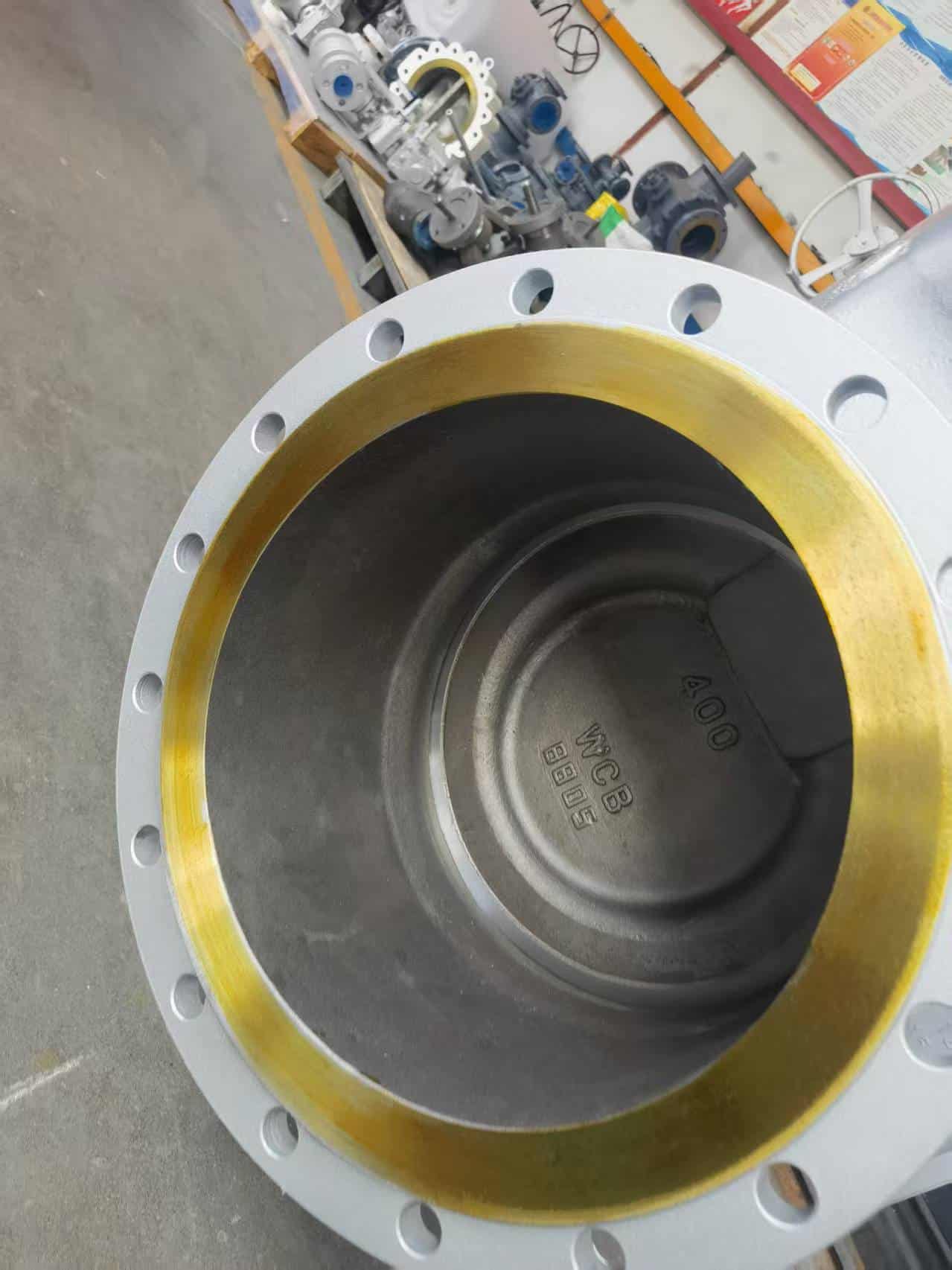
Gate valves are widely used to isolate the flow of liquids and gases in pipelines. They operate by raising or lowering a gate across the flow passage, allowing operators to open a line fully or shut it off for maintenance, equipment replacement, or process control. When fully open, a typical gate valve provides a relatively unobstructed passage and low pressure loss, making it useful in systems where efficient fluid transport matters. Gate valves are generally intended for isolation rather than frequent flow adjustment: leaving the gate partially open can cause vibration, erosion, and damage to the seating surfaces. Their applications range from municipal water networks and oil pipelines to power stations and industrial processing facilities. Choosing the right valve requires more than matching the pipe diameter. Fluid properties, operating pressure, temperature, corrosion exposure, and the required shutoff performance all influence whether a gate valve is suitable and which design should be used.
Water supply and wastewater infrastructure are among the most common application areas for gate valves. In municipal distribution networks, these valves isolate sections of pipe so that crews can repair leaks, replace equipment, or extend the system without interrupting service across the entire network. They are also installed around storage reservoirs, pumping stations, and water treatment equipment where dependable isolation is necessary. Resilient seated gate valves, often manufactured with ductile iron bodies and elastomer covered wedges, are widely used for water service within their specified pressure and temperature limits. Materials and coatings for drinking water applications must meet the relevant local approval requirements. In wastewater systems, valve selection depends heavily on the amount and type of suspended solids. Conventional wedge gate valves can experience problems if debris accumulates in seating areas, while suitable knife gate designs may handle certain sludge and solids bearing duties more effectively. Gate valves also serve in fire protection water systems, where approved designs and appropriate position indication or supervision help ensure that the water supply remains available when needed.
The oil and gas industry uses gate valves for isolation in production facilities, transportation pipelines, storage terminals, and refineries. Large pipelines benefit from the low flow resistance of a fully open gate valve, particularly when pumping or compression energy is a significant operating cost. Where pipelines require cleaning or inspection pigs, properly specified full bore gate valves can provide the clear passage these devices need; compatibility must be confirmed for the complete valve design. Slab and expanding gate valves are used in some pipeline and production applications because their construction can meet demanding sealing and operating requirements. At storage terminals and refineries, gate valves isolate transfer lines, tanks, and process equipment during planned shutdowns or maintenance. Selection must account for the fluid composition as well as pressure and temperature. Sour service containing hydrogen sulfide, for example, requires materials suitable for the specific exposure conditions. Fire testing, control of fugitive emissions, and cavity pressure relief may also be relevant requirements. Although gate valves can provide effective process isolation, a closed valve should not automatically be treated as sufficient protection for intrusive maintenance; the facility’s isolation procedure determines whether additional barriers, draining, or pressure verification are needed.
Power generation and other thermal industries use gate valves in steam, feedwater, cooling water, and auxiliary systems. In steam and hot water service, suitable metal seated designs and pressure rated materials allow isolation under conditions that would exceed the limits of many elastomer seated valves. High pressure applications may use forged steel bodies, pressure seal bonnets, or other construction features selected to suit the operating conditions. Cooling water circuits present a different set of requirements, with pipe size, corrosion resistance, and ease of maintenance often receiving greater emphasis. District heating networks can also use gate valves to isolate branches and equipment, provided the valves are rated for the system’s temperature and pressure. Across these applications, thermal expansion and temperature changes deserve careful attention. Certain installations can expose gate valves to thermal binding or pressure locking, making them difficult to open unless the design and operating procedures address those conditions. Closing speed also matters, especially in long liquid pipelines where abrupt changes in flow can create damaging pressure surges. Manual, electric, or other actuation methods should therefore be selected according to valve size, access, operating frequency, and the required closing time.
Chemical processing, pulp and paper production, mining, and irrigation provide further gate valve applications, although the most suitable design varies considerably. Chemical plants may use gate valves to isolate transfer lines and equipment when the body, trim, seats, and packing are compatible with the process fluid. Stainless steel is useful for many services, but it is not universally resistant to chemicals; some conditions require special alloys or alternative valve constructions. In pulp mills and mineral processing plants, knife gate valves are often considered for fibrous media, slurries, and sludge. Their gate geometry can help them close through some suspended material, but abrasive particles still cause wear, and neither complete shutoff nor bidirectional sealing should be assumed without checking the specification. Irrigation systems use gate valves to isolate main lines, branches, and pumping equipment, particularly where infrequent operation and low pressure loss are priorities. For every application, the practical selection process should confirm the fluid characteristics, pressure and temperature ratings, leakage requirements, installation space, and maintenance access. Where accurate throttling, rapid cycling, or fast automatic shutdown is the primary need, another valve type may be more appropriate. Gate valves perform best when their design matches a clearly defined isolation duty.
If you have any questions or inquiries, please feel free to contact us with sales@lokvalve.com or WhatsApp: +8618616568786